The launch of the "Product Development Club"
In August 2013, the second voluntary circle formed by members at Minna no Uen Kitakagaya, the "Product Development Club," was launched. As we did more catering and harvest parties, more and more voices said, "The best way to share food this good with more people is to turn it into a product and sell it," and volunteers started the club.
At the first meeting, we tasted souvenirs from different regions as we discussed what to do next. On the table were jam made from the tomatoes the farm produced in abundance, and pickles brought by members. On a farm where you sometimes harvest more than you can eat at once, preserved foods like these are extremely handy.
Curry takes us to a local event
In October 2017, the "Curry Development Club" was formed. It is a club where members share ideas and create original curry using vegetables and herbs grown on the farm. The first goal was to have a stall at "KITAKAGAYA FLEA," held on the former Namura Shipyard site near the farm.
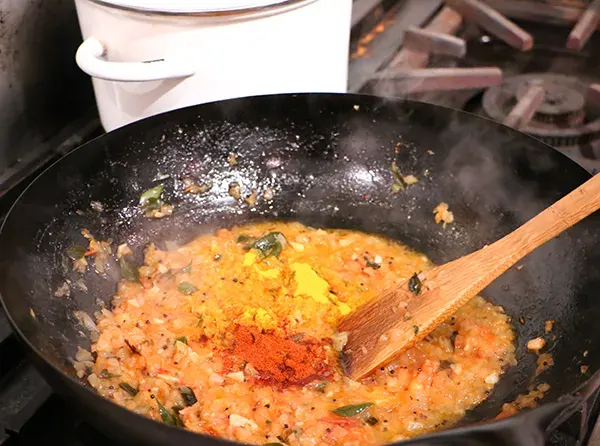
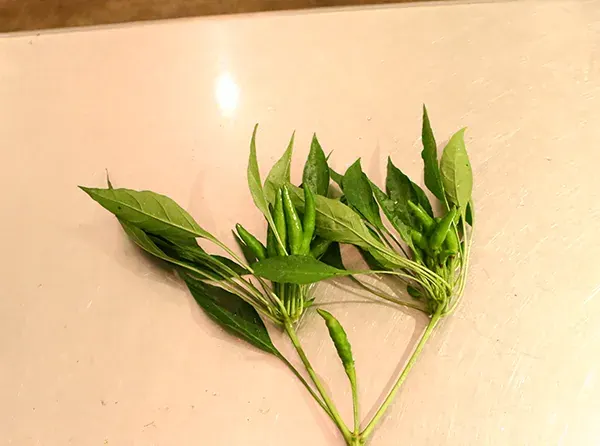
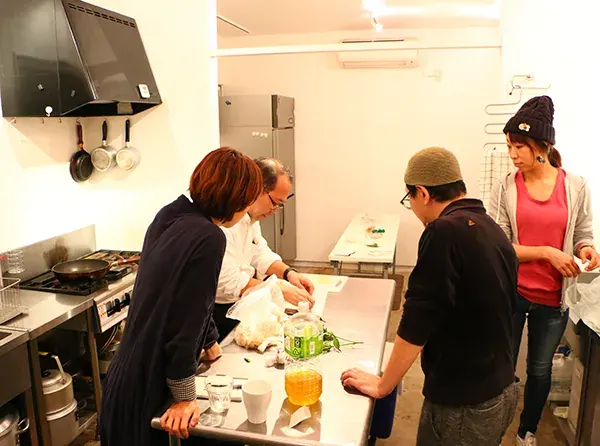
Six field members with curry connections gathered: a professional curry restaurateur, someone training to open a shop, and a master of Asian cuisine. They refined their images of "healthy," "Japanese and medicinal cuisine touches," and "lots of vegetables" from a cook's point of view, and decided to make a "root vegetable and Japanese dashi curry." They even sowed seeds right away for the leafy radishes that go on top as a finishing touch. Trial cooking took place on weekday evenings after work. Using plenty of the field's green chili peppers, you could hear voices all around marveling at how different the results were depending on the method.
From people who grow to people who deliver
Processing and selling vegetables grown in the field ourselves. Even on a small scale, this is the entry point to sixth-sector industrialization of agriculture. One team even planned to turn the autumn potatoes they had grown together into special potato chips.
When you make a product, you have to think not only about taste but also about quantity, cost, and how to deliver it. A hobby field connects to a small local economy. I believe product making that starts from members' "I want to try this" holds that kind of potential.